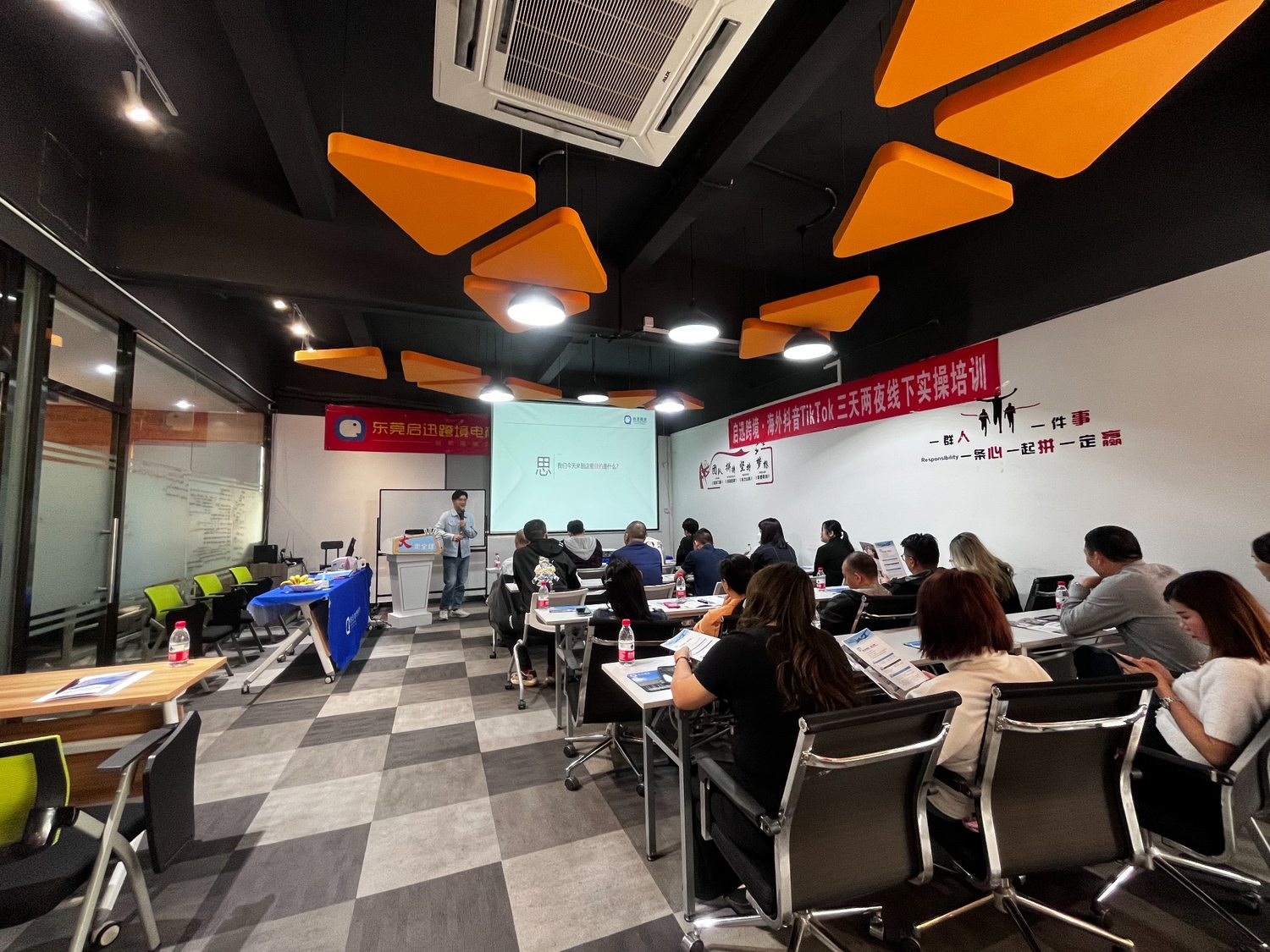
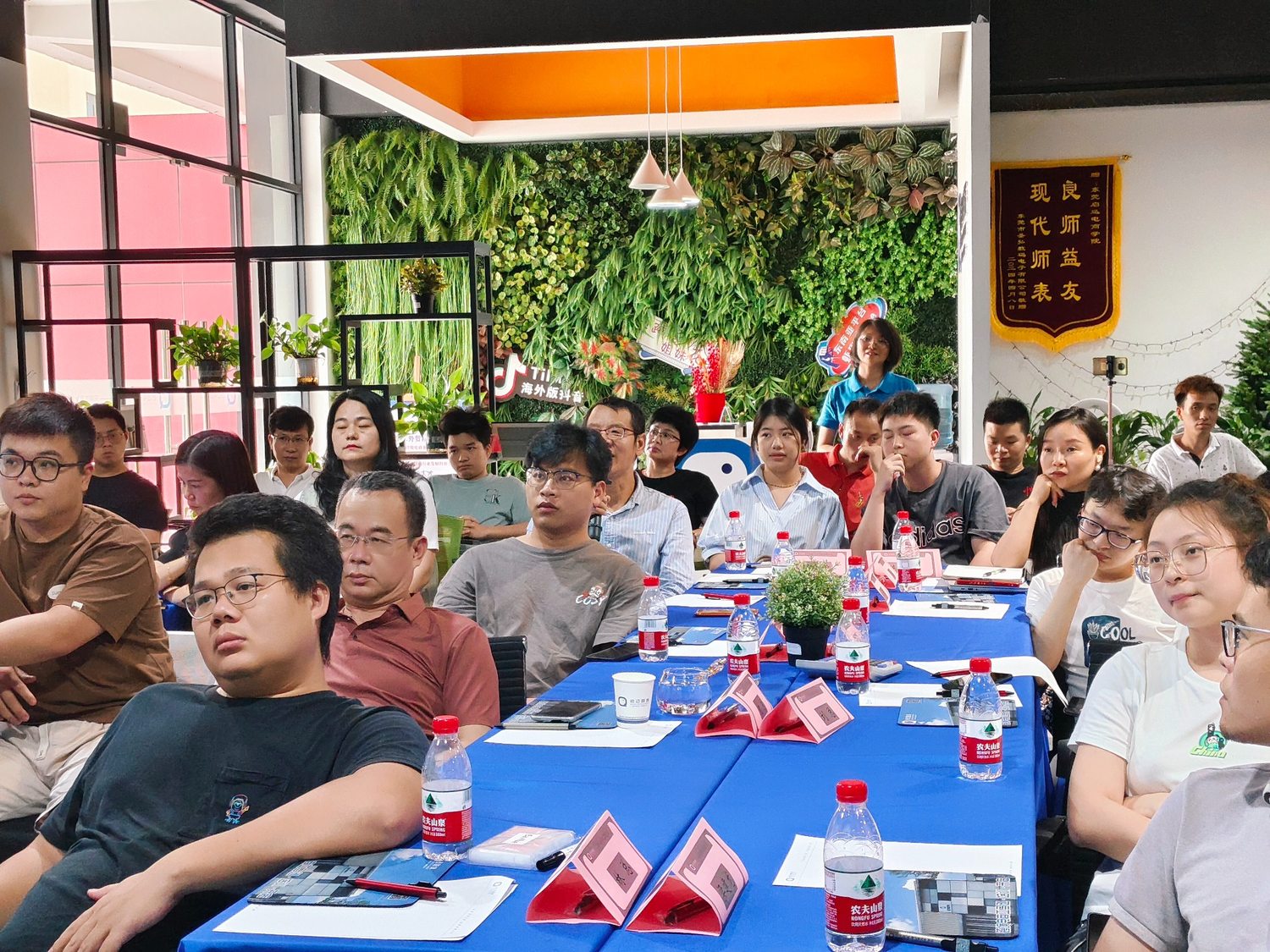
Read the executive summary: Learn from the basics, objectives and conditions of practice.
Identify the Problem You Want to Solve
Without experience, the orientation of the course should match its objectives. Those who wish to apply for an operational position need to understand the platform and day-to-day work; factory leaders with products need to pay more attention to the channels and staffing; and those who are already in charge of the account number are suitable for learning with practical problems.
It is not necessary to consider “inexperienced” as a disadvantage when it comes to the proper presentation of its basis; this will help course counsellors to recommend a suitable starting point for learning.
Prepare for Hands-On Exercises
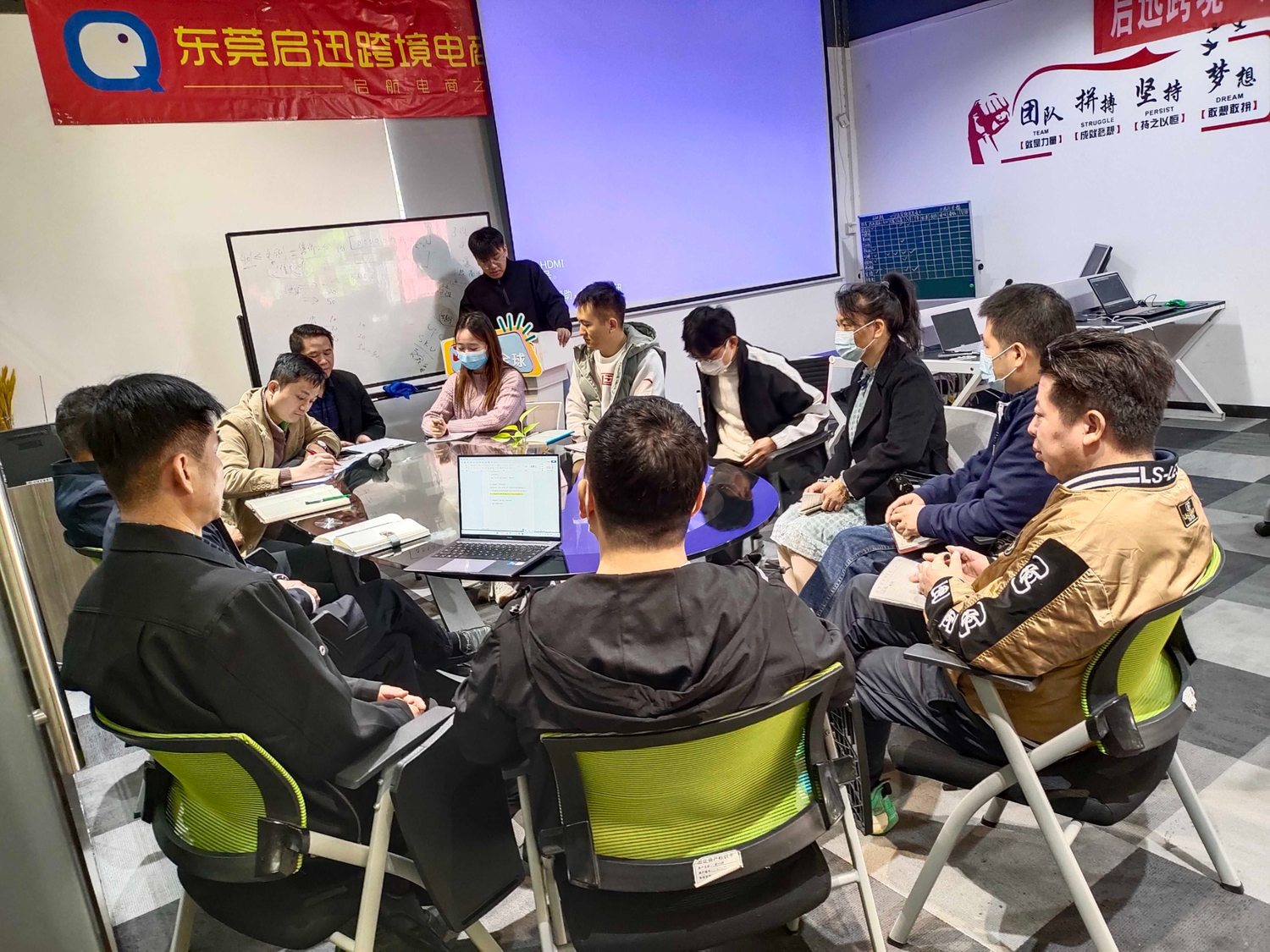
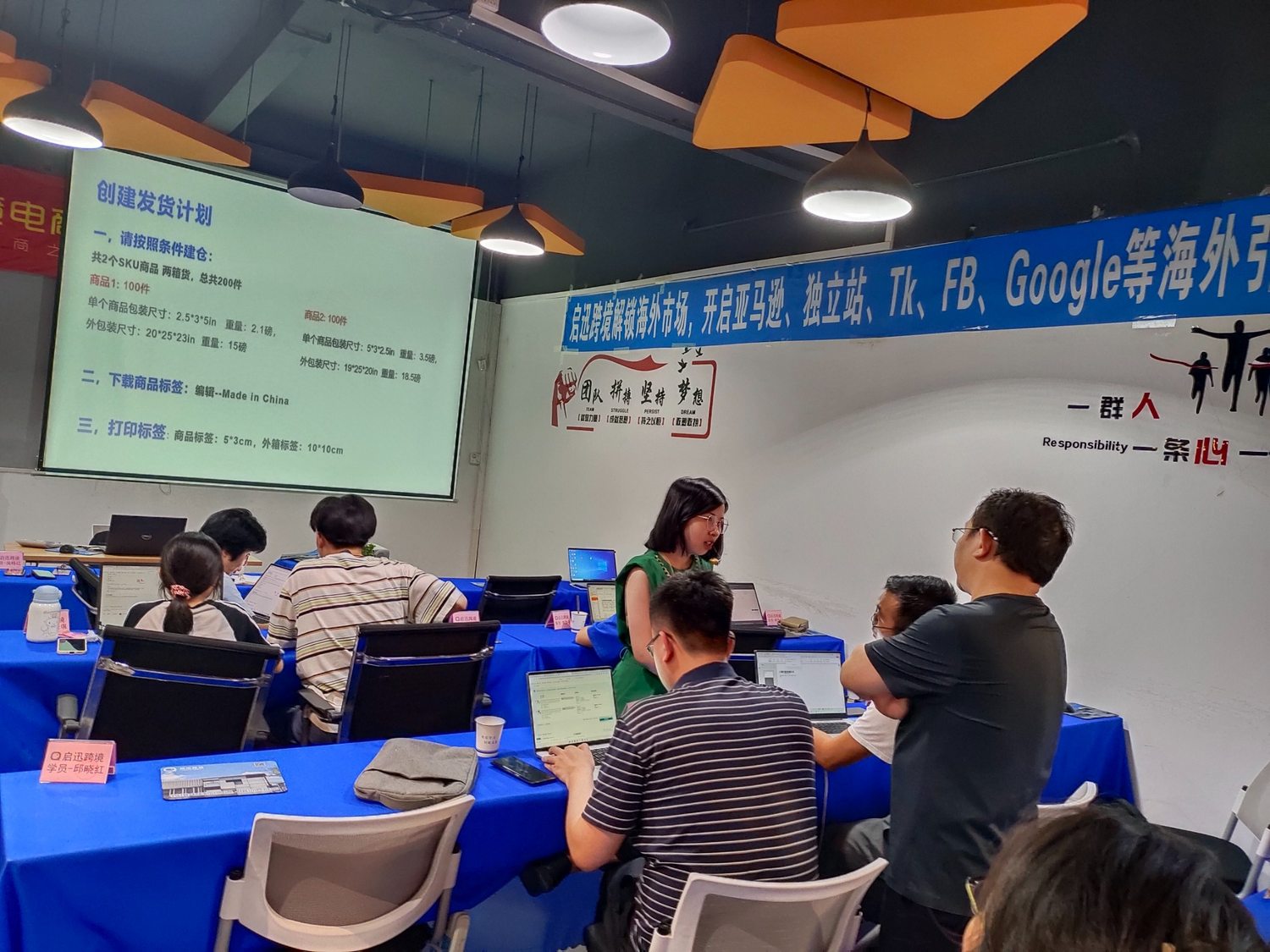
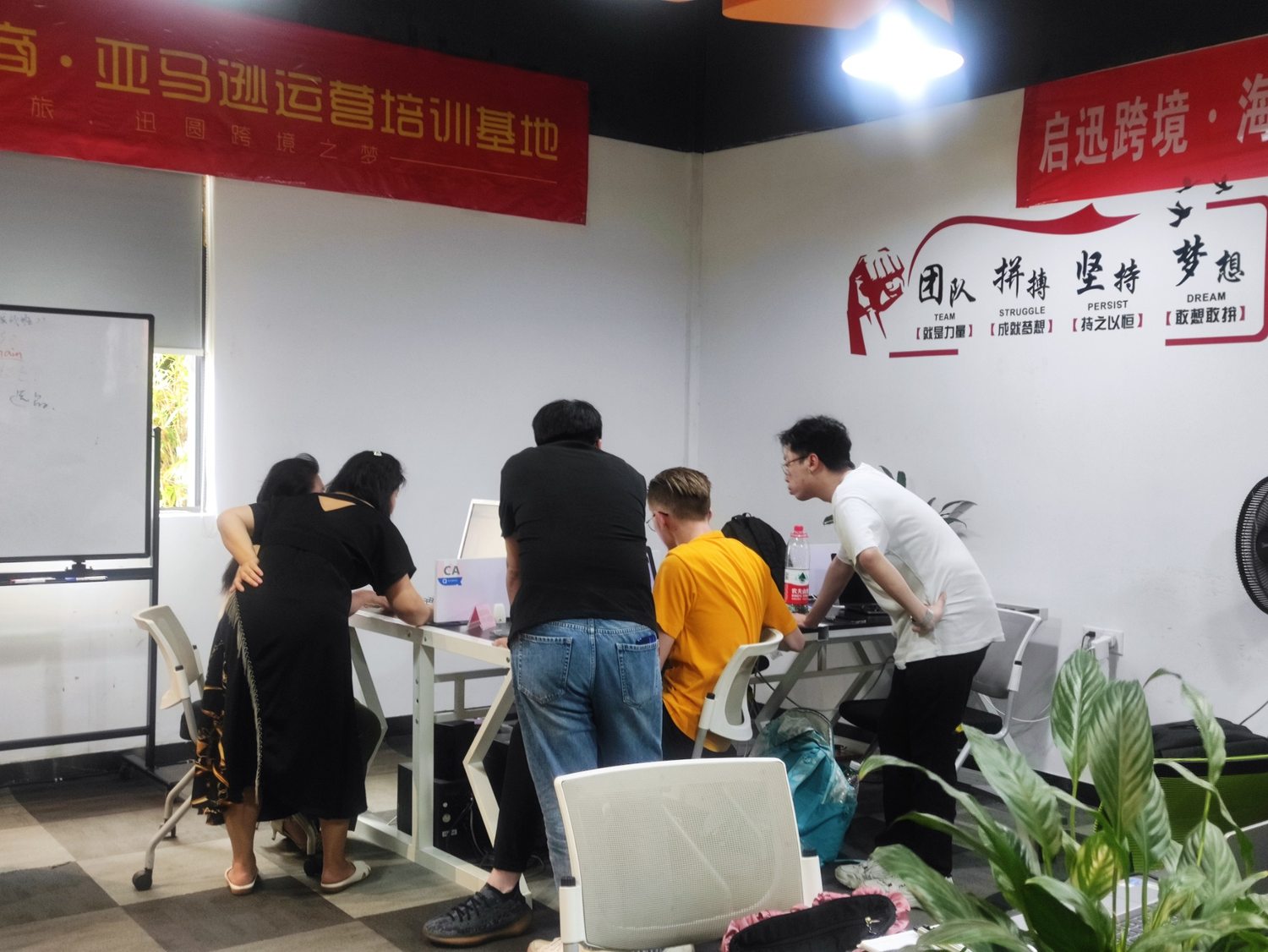
Even for entry-level learning, classroom time should be set aside and a discussionable product or simulation of the business scene prepared. The learning platform term is on the one hand, and more importantly, to perform a small task and understand why.
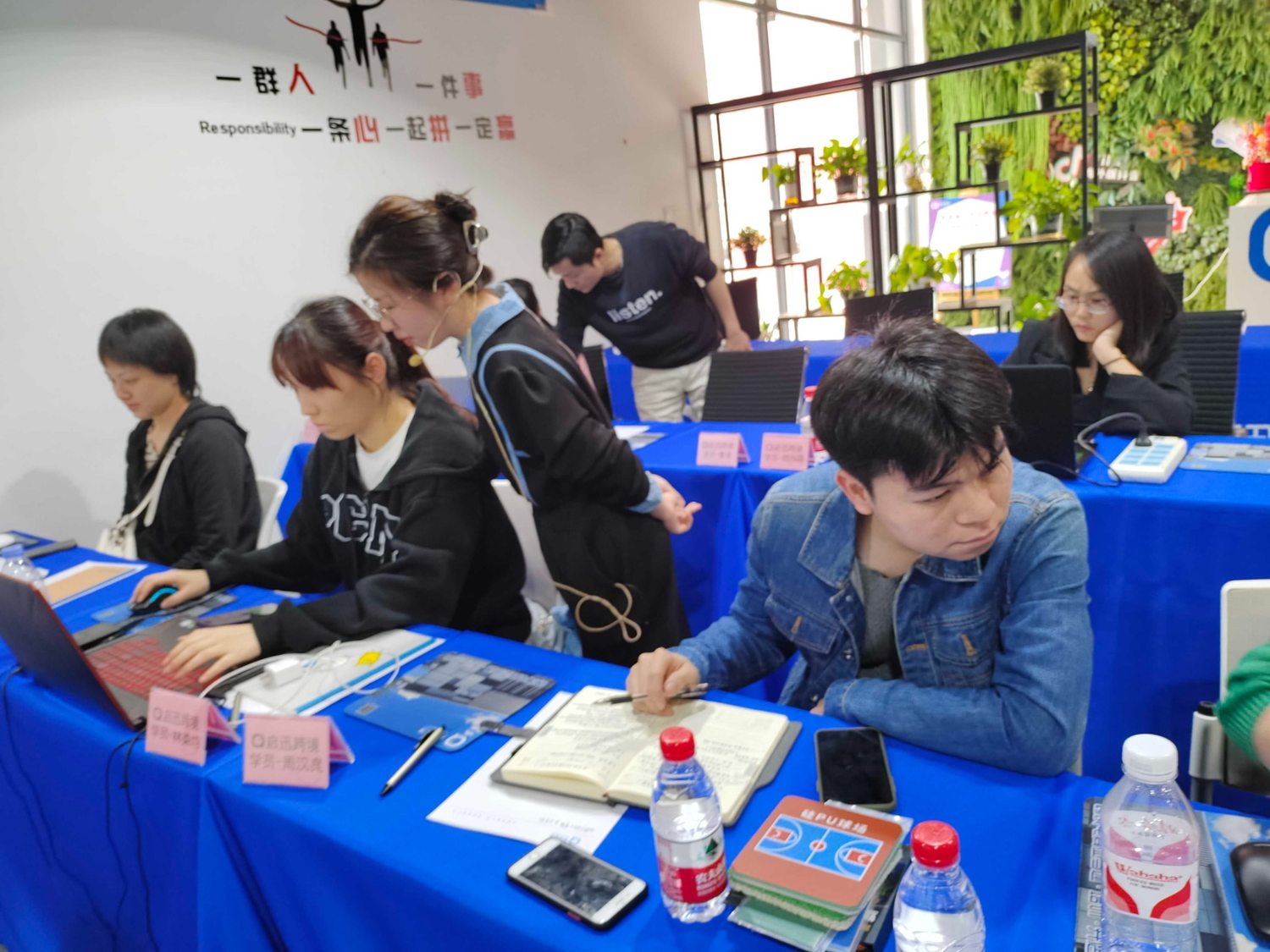
If the course involves account operation, computer equipment or existing store information, please ask in advance what needs to be prepared on the basis of a specific class notice.
Focus on Skills You Can Demonstrate
The objectives of the first phase can be to read the shop process, organize the image of the client, complete the commodity information or write a week-long operating checklist.
After-school practice and rehearsing are usually more useful than a one-time hearing of a large volume.
Write down your experience, the course directions you want to learn most, and a small task you want to do in three weeks, and submit it together for consultation.