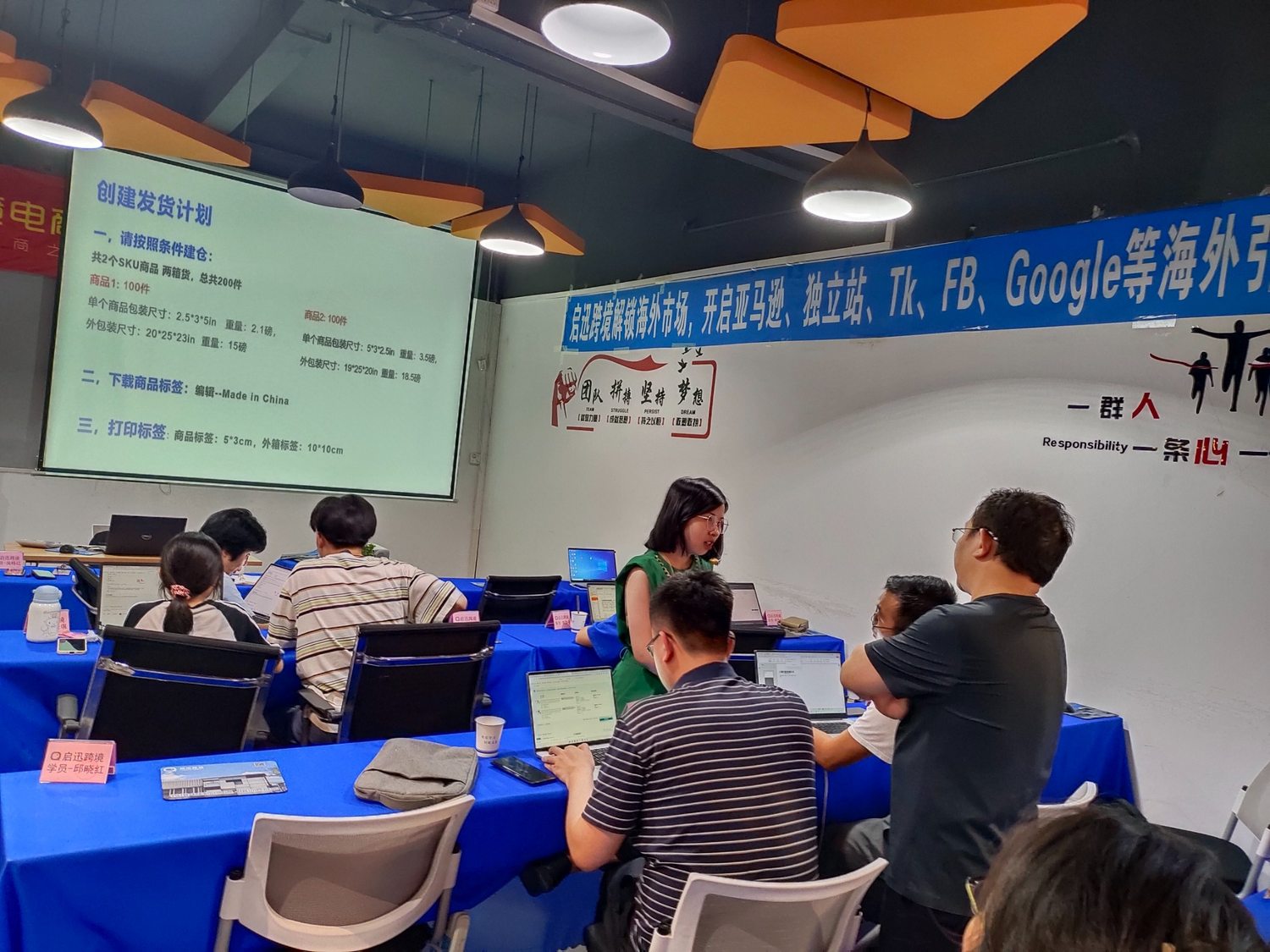
Read the executive summary: Enter the classroom with your own products, jobs, and questions, so that each practice will have an applicable scene.
Explain the Problem You Face
If you want to learn about a cross-border e-commerce, the head of the plant may be concerned about the possibility of a product going global, and the running students may be stuck in commodity information and rediscovery.
It is not necessary to write the question “in order to make a big sale”. The more effective expression is: “The number of products available, the type of customers abroad, who are responsible for the promotion, the most important step that is missing.” The teacher will then put the common method under your business conditions.
Turn Understanding Into Practice
Classes can start with small deliverables: a target client's portrait, a cost table, a product introduction, or a week-long content arrangement.
The back-up after the exercise should retain the four words “preliminary judgement, action, feedback, and next adjustment.” It is also valuable to do something that is not desirable, because it tells you what information or capacity to fill.
Bring Learning Back to Work
after class, you will return to your enterprise or position and you will be able to choose a small, implementable job application, such as changing a commodity page, rearranging a product question and answer, or agreeing with the team to repeat it once a week.
This path is suitable for factories, foreign trade teams, and transferers: first to identify problems, then to practice tools, and finally to take action back to business. The course provides methodology and guidance, and results still need to be implemented by individuals and teams on an ongoing basis.
Bringing a product or a real business problem, write down "Target clients, current obstacles, actions that can be done this week" as your first class practice list.